
Walk through almost any modern power plant, manufacturing facility, chemical processing operation, or industrial boiler room, and you’ll notice something changing.
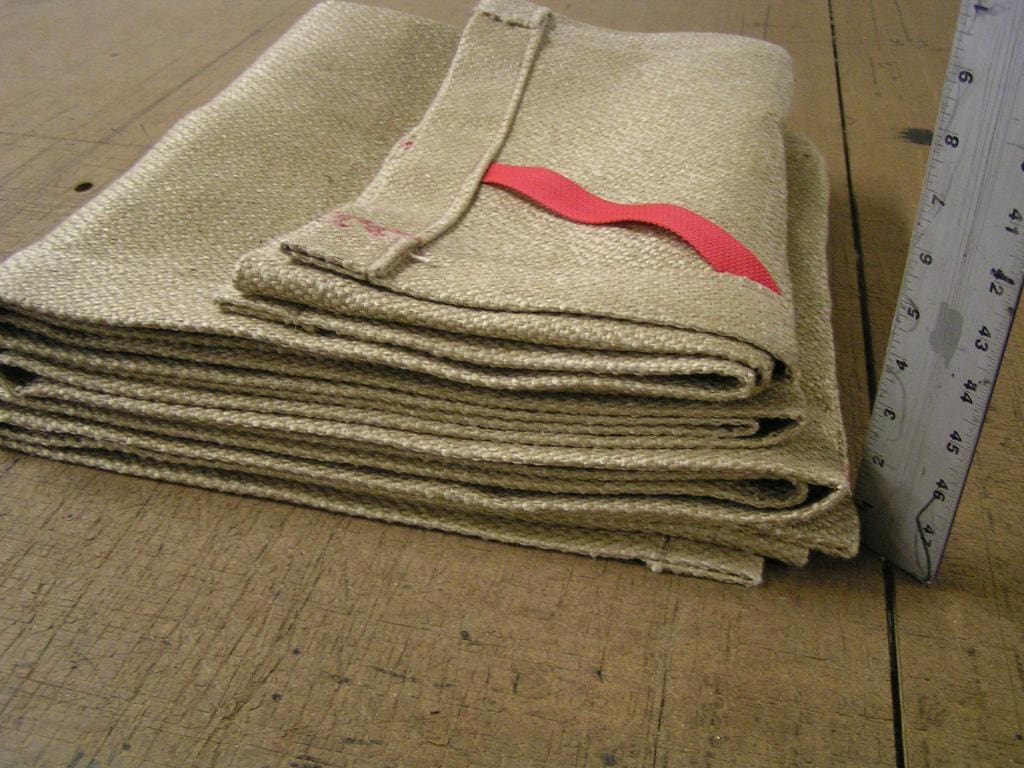
More valves, flanges, turbines, pumps, and exhaust systems are being wrapped in removable insulation blankets instead of traditional hard insulation systems.
That shift is happening for a reason.
Industrial facilities are under increasing pressure to improve energy efficiency, reduce maintenance downtime, enhance worker safety, and extend equipment life, all without disrupting operations. Removable and reusable insulation systems are helping facilities accomplish all four.
At Industrial Energy Products, removable insulation blankets continue to be one of the most requested thermal management solutions because they solve practical operational problems in real-world environments.
Traditional Insulation Has Limitations
Traditional insulation systems still serve an important role in many facilities, but they often create challenges during routine maintenance.
When hard insulation is installed around valves, pumps, turbines, or flanges, technicians frequently have to cut, remove, or damage the insulation just to access the equipment beneath it. In many facilities, that insulation is never fully replaced after maintenance is complete.
Over time, this creates several problems:
- Increased energy loss
- Higher surface temperatures
- Reduced worker protection
- Increased operating costs
- Inconsistent insulation performance
Removable insulation blankets solve this issue by allowing maintenance teams to quickly remove and reinstall insulation without destroying the system itself.
INSERT IMAGE OF BLANKETS HERE
Energy Efficiency Is Driving More Demand
Energy costs remain a major concern across industrial operations.
According to the U.S. Energy Information Administration, industrial energy prices remained elevated through 2025, increasing pressure on facilities to improve thermal efficiency wherever possible. Even small amounts of heat loss from uninsulated valves, flanges, and process equipment can create significant energy waste over time.
Removable insulation blankets and high-temperature textiles help facilities reduce heat transfer while maintaining accessibility for maintenance teams.
This becomes especially important in applications involving:
- Steam systems
- Heat exchangers
- Turbines
- Exhaust systems
- Process piping
- High-temperature valves and fittings
Many facilities are now treating insulation not simply as a safety product, but as an operational efficiency strategy.
Maintenance Teams Need Faster Access
One of the biggest operational advantages of removable blankets is maintenance efficiency.
Facilities today operate with tighter shutdown windows and leaner maintenance teams than in the past. Equipment accessibility matters more than ever.
Reusable blanket systems can often be removed and reinstalled in a fraction of the time required for traditional insulation repair or replacement.
This helps facilities:
- Reduce downtime
- Improve outage efficiency
- Simplify inspections
- Improve access to critical equipment
- Reduce long-term labor costs
In industries where downtime costs thousands of dollars per hour, maintenance accessibility alone can justify the investment.
Worker Safety Still Matters
Surface temperature reduction remains one of the primary reasons facilities install insulation systems.
High-temperature surfaces create serious burn hazards for personnel working near process equipment. OSHA continues to prioritize heat and burn prevention across industrial environments, especially in facilities operating high-temperature equipment.
Properly designed removable insulation blankets help reduce touch temperatures while also lowering ambient heat exposure around equipment.
This creates safer and more comfortable work environments for operators and maintenance teams alike.
Not All Blanket Systems Are the Same
One common misconception is that all removable insulation blankets perform similarly.
In reality, long-term performance depends heavily on:
- Temperature exposure
- Mechanical wear
- Moisture exposure
- Chemical conditions
- Fabric selection
- Closure system design
- Blanket filler materials
- Installation quality
The wrong material choice can lead to premature failure, shrinkage, reduced flexibility, or insulation breakdown.
That’s why application-specific engineering matters.
At Industrial Energy Products, blanket systems are designed around the actual operating environment rather than relying on generic insulation configurations. Material selection may include fiberglass fabrics, ceramic textiles, coated fabrics, or specialized thermal insulation materials depending on the application requirements.
Industrial Facilities Are Thinking Long-Term
Many industrial buyers are becoming more focused on lifecycle value instead of initial material cost alone.
A properly designed removable insulation system can provide years of reusable performance while helping facilities reduce energy loss, improve maintenance efficiency, and protect personnel.
That long-term operational value is why removable blankets continue gaining traction across industries including:
- Power generation
- Chemical processing
- Marine
- Manufacturing
- Food processing
- Metals and foundries
- Pulp and paper
As industrial facilities continue prioritizing uptime, safety, and energy efficiency, removable insulation systems are quickly becoming less of a specialty product and more of an operational standard.
For facilities evaluating thermal management upgrades, the key is selecting solutions designed specifically for the environment, temperatures, and maintenance conditions involved.